How Play Builds Emotional Skills in Early Childhood
Pretend play is where children rehearse feelings they cannot yet manage in real life. Here is what is happening, and how to stay out of the way usefully.
Kids & Parenting Hub Editorial Team
Published 15 Aug 2026 · Updated 19 Aug 2026 · 9 min read · Ages 2-8 years
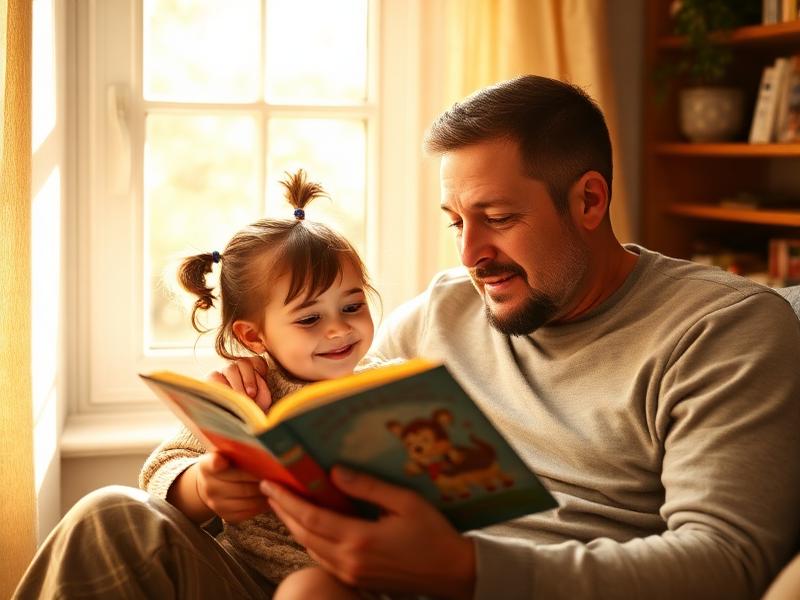
Watch a group of four-year-olds playing families and you will see negotiation, role assignment, rule enforcement, conflict and repair — the entire emotional curriculum, run voluntarily, several times an hour.
This article explains what different kinds of play contribute to emotional development, and the small adult behaviours that support it. It is general educational content, not a developmental assessment.
Pretend play: rehearsing feelings at a safe distance
When a child plays doctor after a hospital visit, or makes a toy character get told off, they are processing an experience in a version they control. The distance is what makes it manageable.
This is also where perspective-taking begins. Playing a different character requires imagining what someone else wants, which is the practical basis of empathy.
Rough-and-tumble play and self-control
Chasing, wrestling and play-fighting look like the opposite of emotional regulation, but they demand constant calibration: how hard is too hard, when to stop, how to read a face that has stopped smiling.
The rule that makes it work is simple and worth stating out loud: it stops the moment anyone says stop, no negotiation.
Games with rules: frustration in small doses
Board games, tag and playground games give children repeated, survivable experiences of not getting what they want. Losing a two-minute game is a manageable dose of disappointment, and manageable doses are how tolerance is built.
- Waiting for a turn practises impulse control.
- Following rules someone else set practises flexibility.
- Losing and playing again practises recovery.
What adults contribute
The most valuable adult behaviours are unglamorous: being available, naming feelings accurately, and not resolving every conflict immediately. Children who are given thirty seconds usually negotiate something workable themselves.
Responsive back-and-forth interaction — sometimes described as 'serve and return' — is consistently identified by child development organisations as central to healthy early development.
- Name what you observe: 'you look disappointed'.
- Wait before intervening in a squabble unless someone is at risk.
- Play alongside without directing.
- Repair your own mistakes out loud.
Children develop at very different rates
Emotional skills do not arrive on a schedule, and siblings often differ enormously. Temperament, experience, language and context all matter, and a child who struggles in a large group may be entirely comfortable with one friend.
If you are worried about your child's development, behaviour, communication or wellbeing, speak with your paediatrician, family doctor, health visitor or your child's teacher. Recognised organisations such as the CDC's developmental milestone resources can help you frame the conversation — but nothing online, including this article, is a diagnosis.
Key takeaways
- Pretend play lets children process real experiences at a safe distance.
- Rough-and-tumble teaches calibration, provided 'stop' always means stop.
- Games with rules deliver frustration in survivable doses.
- Adults help most by being responsive, naming feelings and waiting before intervening.
Frequently asked questions
Is pretend play about violence or 'baddies' a problem?
It is very common and usually part of processing power and fear. Set clear safety limits and stay nearby; if the themes seem distressing rather than playful, or persist intensely, talk to your child's teacher or doctor.
My child plays alone. Should I be concerned?
Solitary play is valuable and normal at every age. What matters more is whether your child can join others when they want to. If they consistently want to and cannot, ask their teacher for their observations.
How do I teach empathy directly?
Mostly by modelling it and by narrating other people's feelings out loud. Direct instruction has far less effect than a child seeing empathy repeatedly in action.
Conclusion
Emotional skill is not taught in a sitting; it is rehearsed thousands of times in play. The most useful thing most adults can do is protect the time and stay close without taking over.
This week, watch ten minutes of your child's play without joining in or correcting anything.
Keep reading on the Hub
- Building Confidence and Independence Through Everyday Jobs
- 12 Positive Parenting Phrases That Defuse a Meltdown
- Learning Through Play: A Practical Guide for Parents
References and further reading
- Center on the Developing Child, Harvard University — serve and return
- CDC — Learn the Signs. Act Early. (developmental milestones)
- Zero to Three — social and emotional development
This article is general educational content about play, learning and family life. It does not diagnose medical, psychological or developmental conditions and is not a substitute for advice from a qualified professional. If you have concerns about your child, please speak with your doctor, paediatrician or your child's teacher.
Related articles

Building Confidence and Independence Through Everyday Jobs
Confidence comes from doing difficult things competently, not from being told you are wonderful. Household jobs are the cheapest source of both.
8 min read · Ages 2-12 years
12 Positive Parenting Phrases That Defuse a Meltdown
When a child is overwhelmed, long explanations make things worse. These short phrases give you something to say that does not escalate the moment.
8 min read · Ages 2-9 years
Learning Through Play: A Practical Guide for Parents
Play is not a break from learning; for young children it is the mechanism of it. Here is how to support it without taking it over.
10 min read · Ages 2-8 years