
Parenting
Building a Stress-Free Morning Routine for School Days
Calm mornings are built the night before. Here is the preparation, the checklists and the language that make school days run without the daily countdown.
9 min read · Ages 3-12 years
Practical parenting advice and creative activity guides for families, caregivers and educators — written to be used on an ordinary weekday, not just in theory.
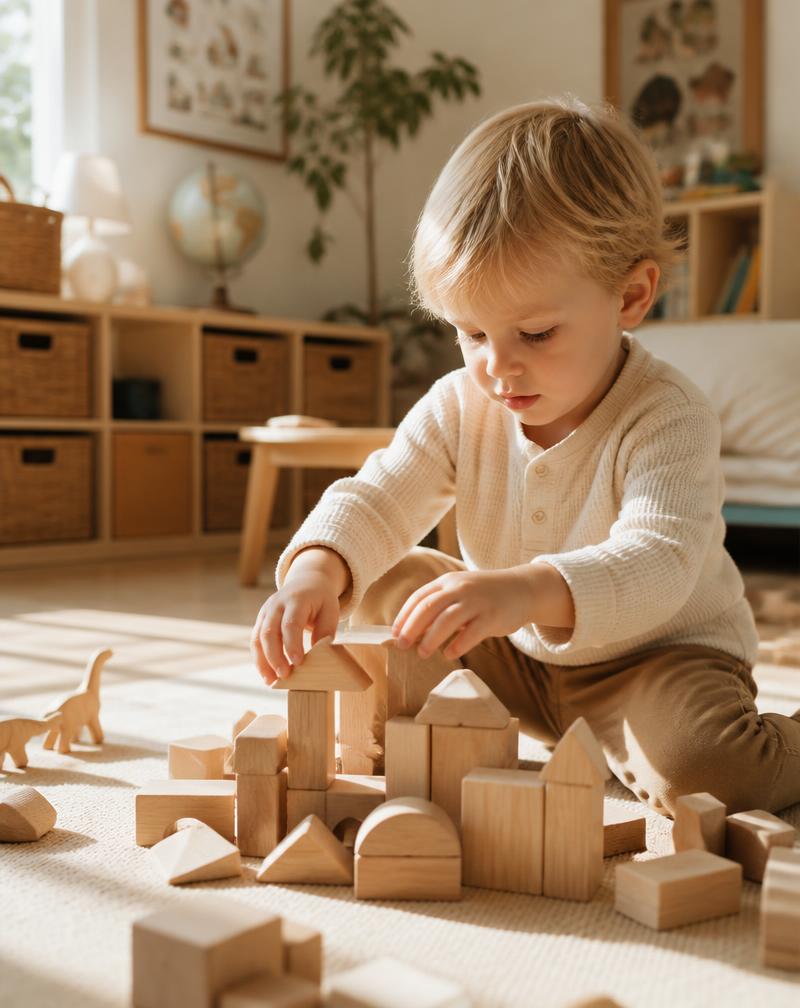
Hand-selected guides for mindful parenting.
Calm mornings are built the night before. Here is the preparation, the checklists and the language that make school days run without the daily countdown.
9 min read · Ages 3-12 years

When a child is overwhelmed, long explanations make things worse. These short phrases give you something to say that does not escalate the moment.
8 min read · Ages 2-9 years

Sensory play does not have to end in a mopped floor. Twelve bins built from things already in your kitchen cupboard, with ages and cleanup ratings.
10 min read · Ages 2-6 years
Routines, limits and language that work in real households.
Calm mornings are built the night before. Here is the preparation, the checklists and the language that make school days run without the daily countdown.
9 min read · Ages 3-12 years
When a child is overwhelmed, long explanations make things worse. These short phrases give you something to say that does not escalate the moment.
8 min read · Ages 2-9 years
Pretend play is where children rehearse feelings they cannot yet manage in real life. Here is what is happening, and how to stay out of the way usefully.
9 min read · Ages 2-8 years
Indoor, outdoor and low-cost ideas with materials and setup times.
Sensory play does not have to end in a mopped floor. Twelve bins built from things already in your kitchen cupboard, with ages and cleanup ratings.
10 min read · Ages 2-6 years
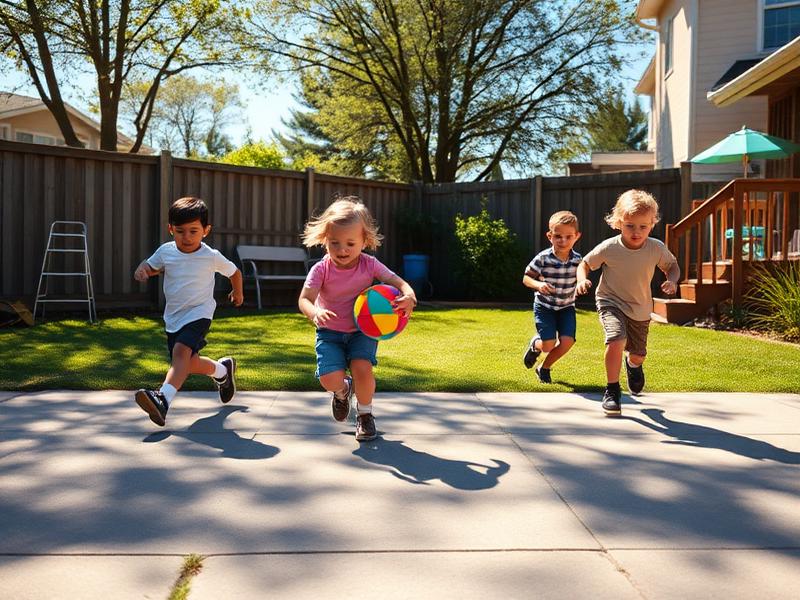
Twenty garden activities that need almost nothing: chalk, a bucket, some string, and a willingness to let the play get slightly untidy.
9 min read · Ages 3-11 years
Screen-free games with rules, ages and learning benefits.

The mechanics that make a board game good for a four-year-old are different from the ones that make it fun for a ten-year-old. Here is how to tell them apart.
8 min read · Ages 4-10 years
A running order for a room full of excited children: two warm-ups, three big games, and something quiet before the cake.
8 min read · Ages 4-11 years
Reading, early maths, STEM and problem-solving, without worksheets.
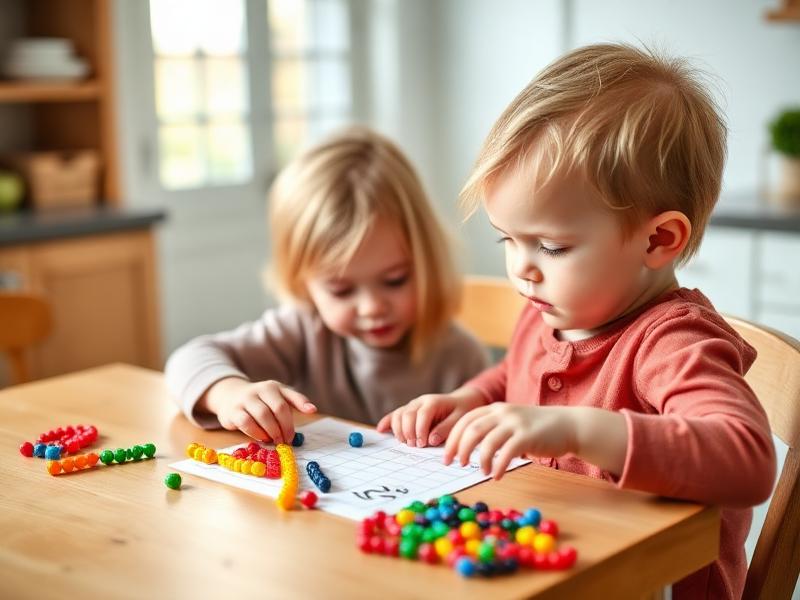
Play is not a break from learning; for young children it is the mechanism of it. Here is how to support it without taking it over.
10 min read · Ages 2-8 years
Number sense is built by handling quantities, not by filling in boxes. Ten activities using what is already in your kitchen.
9 min read · Ages 3-7 years
Play value, durability and honest trade-offs — no affiliate hype.
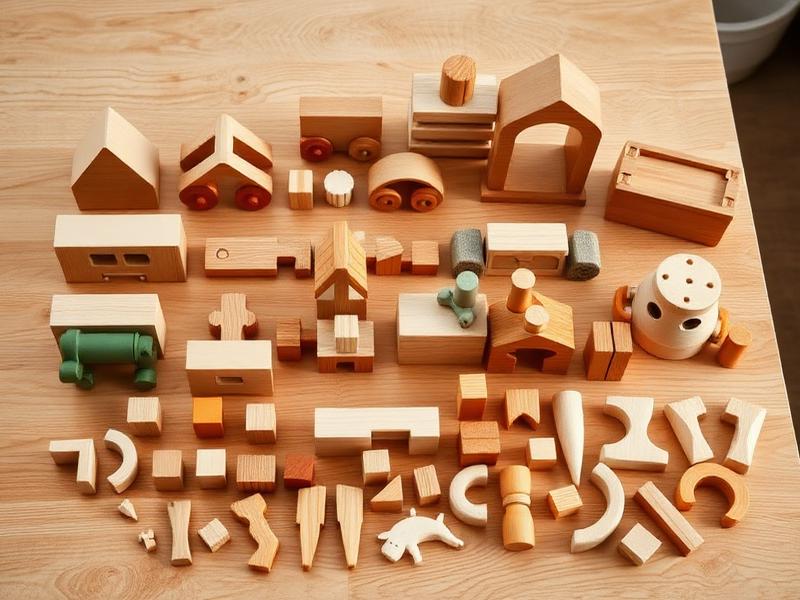
Most toys labelled STEM are ordinary toys with a sticker. Here are the four categories that genuinely earn the shelf space, and how to compare them.
9 min read · Ages 4-7 years
Three building systems, three very different play patterns. Which to buy first depends less on your child's age than on how they already play.
8 min read · Ages 2-11 years
Practical parenting tips, daily routines, family communication, positive discipline, healthy habits, independence and confidence — written for busy caregivers.
Read Parenting →Creative, educational, indoor, outdoor, seasonal and low-cost activities for kids, organised by age so you always have something ready to go.
Read Kids Activities →Educational games, indoor games, outdoor games, board games and family group games with clear rules, ages and learning benefits.
Read Kids Games →Reading, writing, early maths, science, STEM activities, language and problem-solving ideas that turn everyday moments into learning.
Read Kids Learning →Educational toys, creative toys, STEM and building toys, outdoor toys and age-appropriate recommendations, compared on play value and durability.
Read Kids Toys →Educational articles on social, emotional, communication, creativity, confidence, independence and learning development — never a diagnosis.
Read Child Development →Each Sunday we send one activity, one parenting idea and one thing worth reading. That is all.
Sensory bins, open-ended building toys, outdoor nature walks, drawing and simple household 'helper' jobs cover most of what young children need. They invite repetition, they can be set up in a few minutes, and they let a child lead the play instead of following a script.
Look for toys that can be used in more than one way and that leave the thinking to the child — blocks, art materials, construction sets, simple board games. If a toy does the playing (lights, sounds, one fixed outcome), the child usually does less.
Short and repeatable beats long and elaborate. Ten to twenty focused minutes of play with an adult who is genuinely present is worth more than an hour of interrupted supervision, and it is far easier to keep up on a weekday.
No. Everything we publish is general educational content about play, learning and family routines. We never diagnose medical, psychological or developmental conditions. If you have a concern about your child, speak to a qualified professional such as your paediatrician, family doctor or your child's teacher.
Every article is written and reviewed by our editorial team against our editorial policy: original writing, practical steps we would use ourselves, safety notes where relevant, and links to recognised organisations rather than invented statistics.
Everything published on Kids & Parenting Hub, newest first.
Pretend play is where children rehearse feelings they cannot yet manage in real life. Here is what is happening, and how to stay out of the way usefully.
9 min read · Ages 2-8 years
Play is not a break from learning; for young children it is the mechanism of it. Here is how to support it without taking it over.
10 min read · Ages 2-8 years
Sensory play does not have to end in a mopped floor. Twelve bins built from things already in your kitchen cupboard, with ages and cleanup ratings.
10 min read · Ages 2-6 years
The mechanics that make a board game good for a four-year-old are different from the ones that make it fun for a ten-year-old. Here is how to tell them apart.
8 min read · Ages 4-10 years
Most toys labelled STEM are ordinary toys with a sticker. Here are the four categories that genuinely earn the shelf space, and how to compare them.
9 min read · Ages 4-7 years
Twenty garden activities that need almost nothing: chalk, a bucket, some string, and a willingness to let the play get slightly untidy.
9 min read · Ages 3-11 years
Calm mornings are built the night before. Here is the preparation, the checklists and the language that make school days run without the daily countdown.
9 min read · Ages 3-12 years
Confidence comes from doing difficult things competently, not from being told you are wonderful. Household jobs are the cheapest source of both.
8 min read · Ages 2-12 years
Number sense is built by handling quantities, not by filling in boxes. Ten activities using what is already in your kitchen.
9 min read · Ages 3-7 years
A running order for a room full of excited children: two warm-ups, three big games, and something quiet before the cake.
8 min read · Ages 4-11 years
When a child is overwhelmed, long explanations make things worse. These short phrases give you something to say that does not escalate the moment.
8 min read · Ages 2-9 years
Three building systems, three very different play patterns. Which to buy first depends less on your child's age than on how they already play.
8 min read · Ages 2-11 years