12 Low-Mess Sensory Bin Ideas for Rainy Days
Sensory play does not have to end in a mopped floor. Twelve bins built from things already in your kitchen cupboard, with ages and cleanup ratings.
Kids & Parenting Hub Editorial Team
Published 11 Aug 2026 · Updated 19 Aug 2026 · 10 min read · Ages 2-6 years

A sensory bin is a shallow container with a filler and a few tools. That is the entire concept, and the reason it works is that it is open-ended: there is no correct outcome, so a child can repeat the same scooping motion forty times and still be learning something.
The twelve below were chosen for one reason — they stay mostly inside the box. Each takes under five minutes to build and packs away in a lidded container for next time.
Six dry fillers that stay in the box
Dry fillers sweep up rather than wipe up, which is the whole difference on a weekday. Put the bin on an old sheet and the sheet becomes the cleanup.
- Dried pasta shapes with tongs, cups and a funnel.
- Rolled oats with spoons and small jars — quiet and soft.
- Dried chickpeas with a muffin tray for sorting.
- Shredded paper with hidden letter cards to find.
- Pom-poms with kitchen tongs (excellent fine-motor practice).
- Wooden blocks and fabric scraps for a building-and-hiding bin.
Three contained wet options
Wet play is worth the setup once a week. Keep the water shallow, put a towel underneath, and set the boundary that everything stays over the towel.
- Ice cube rescue: freeze small toys in a tray, hand over a spoon and warm water.
- Soap foam: a squirt of child-safe bubble bath whisked with a little water.
- Washing station: a bowl, a cloth and toy vehicles that need cleaning.
Three themed bins that stretch pretend play
A theme gives older preschoolers a story to hang the play on, which typically doubles how long the bin holds attention.
- Construction site: oats, small diggers, cardboard tube tunnels.
- Dinosaur dig: dry rice, plastic dinosaurs, a paintbrush for excavation.
- Post office: shredded paper, envelopes, stickers and a stamp.
How to set up a bin in four minutes
Use a shallow container rather than a deep one — deep boxes encourage lifting and tipping. Add roughly one filler, two tools and two small objects; more than that turns exploration into rummaging.
Store each combination in its own lidded box. Rotating three bins in and out keeps them interesting for months.
What children are actually practising
Scooping, pouring and pinching build the hand strength and control that later support handwriting. Sorting and matching lay early maths foundations, and narrating what a child is doing ('you filled it right to the top') adds vocabulary without turning play into a lesson.
Activity details
- Recommended age
- 2-6 years (small parts: supervise under-3s closely)
- Participants
- 1-3 children
- Preparation time
- 4 minutes
- Activity duration
- 15-40 minutes
- Difficulty
- Easy
Materials needed
- One shallow plastic or wooden tray
- A dry filler (pasta, oats, chickpeas, pom-poms or shredded paper)
- Two scooping tools: spoons, cups, tongs or a funnel
- Two or three small objects to find, sort or hide
- An old sheet or towel to sit the tray on
Step-by-step instructions
- Lay the sheet on the floor and place the shallow tray in the middle.
- Add the filler to a depth of about three centimetres — no deeper.
- Add the tools and hidden objects, then step back and let your child explore.
- Narrate occasionally rather than instructing: describe what you see them doing.
- Finish with a two-minute warning, then have your child help tip the filler back into its lidded box.
Safety notes
- Children under three put things in their mouths — choose large fillers and stay within arm's reach at all times.
- Avoid small, hard fillers such as dried beans or beads with any child who still mouths objects.
- Never leave a child alone with water play, at any depth.
- Check for allergies before using food-based fillers, and skip nut-based materials entirely.
Learning benefits
- Fine motor control and hand strength
- Early maths: sorting, counting, capacity
- Vocabulary through describing textures and actions
- Focus and self-directed play
Alternative versions
- Add letter or number cards to hide and find for school-age children.
- Freeze the filler for a temperature-contrast version in summer.
- Swap tools weekly to reset interest without changing the filler.
Key takeaways
- Shallow tray, one filler, two tools — anything more becomes clutter.
- Dry fillers sweep; a sheet underneath is the entire cleanup plan.
- Rotate three stored bins instead of building something new each time.
- Supervise closely with under-threes and skip small hard fillers.
Frequently asked questions
What age can a child start sensory bin play?
Around 18 months to two years with close supervision and large, safe fillers. Younger babies get the same benefit from supervised water, fabric and textured objects instead.
How do I stop the filler going everywhere?
Use a shallow tray, sit the tray on a sheet, and set one rule: filler stays over the sheet. If it leaves the sheet twice, the bin goes away and returns tomorrow.
Is it wasteful to play with food?
Some families avoid it; both positions are reasonable. Non-food alternatives — shredded paper, pom-poms, fabric scraps, buttons for older children, water — work just as well.
Conclusion
Sensory bins are the highest-return activity per minute of setup that most families have available. Build three, store them in lidded boxes, and rainy afternoons stop being a problem to solve.
Build one dry bin today with whatever is already in your cupboard.
Keep reading on the Hub
- 20 Outdoor Activities for Kids You Can Run in the Garden
- Learning Through Play: A Practical Guide for Parents
- Open-Ended Building Toys Compared: Blocks vs Bricks vs Tiles
References and further reading
- NAEYC — the power of play in early learning
- U.S. Consumer Product Safety Commission — small parts and choking hazards
This article is general educational content about play, learning and family life. It does not diagnose medical, psychological or developmental conditions and is not a substitute for advice from a qualified professional. If you have concerns about your child, please speak with your doctor, paediatrician or your child's teacher.
Related articles
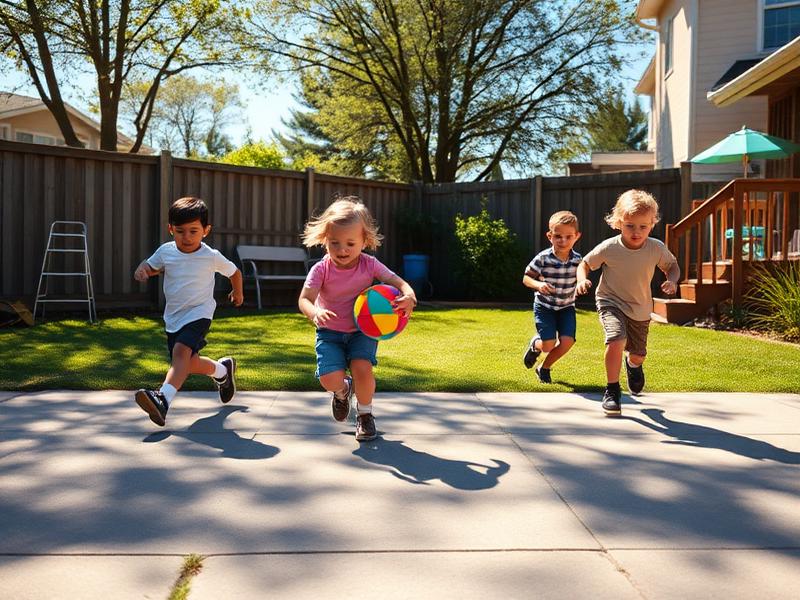
20 Outdoor Activities for Kids You Can Run in the Garden
Twenty garden activities that need almost nothing: chalk, a bucket, some string, and a willingness to let the play get slightly untidy.
9 min read · Ages 3-11 years
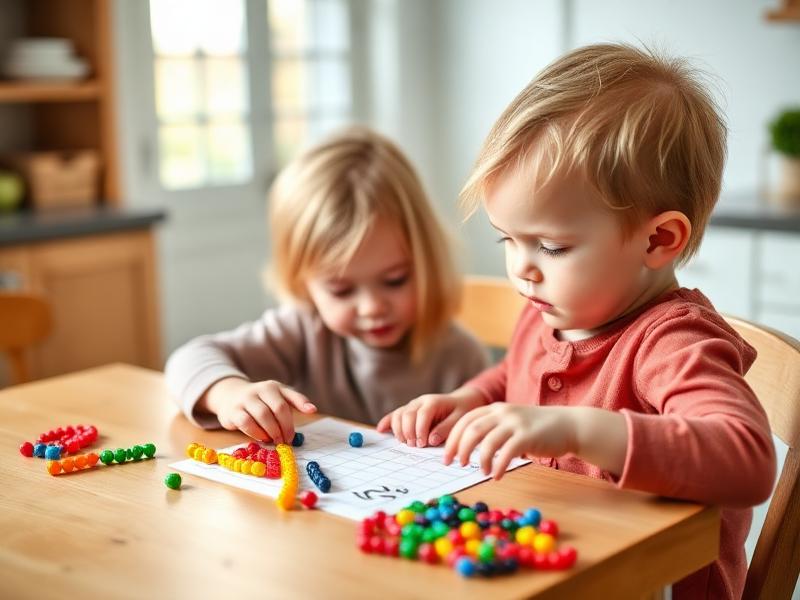
Learning Through Play: A Practical Guide for Parents
Play is not a break from learning; for young children it is the mechanism of it. Here is how to support it without taking it over.
10 min read · Ages 2-8 years
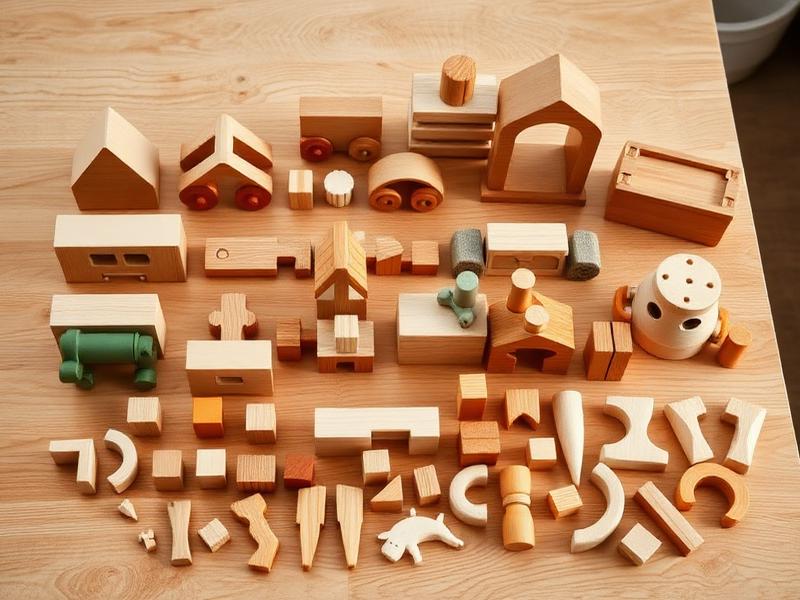
Open-Ended Building Toys Compared: Blocks vs Bricks vs Tiles
Three building systems, three very different play patterns. Which to buy first depends less on your child's age than on how they already play.
8 min read · Ages 2-11 years