20 Outdoor Activities for Kids You Can Run in the Garden
Twenty garden activities that need almost nothing: chalk, a bucket, some string, and a willingness to let the play get slightly untidy.
Kids & Parenting Hub Editorial Team
Published 6 Aug 2026 · Updated 17 Aug 2026 · 9 min read · Ages 3-11 years
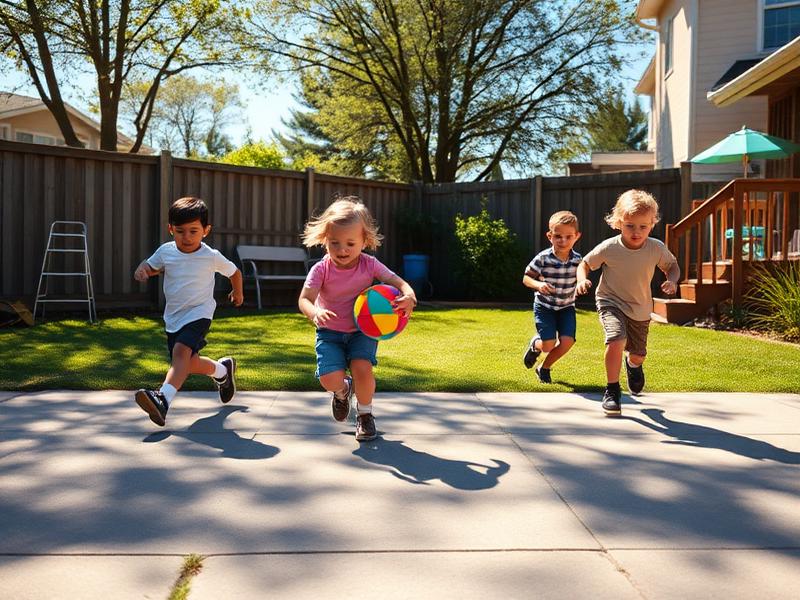
Outdoor play is where children run, negotiate, take manageable risks and invent rules — the four things hardest to arrange indoors. It also tends to end the day better than screen time does.
None of the twenty ideas below needs a purchase beyond chalk and string, and every one works in a small garden, a courtyard or a driveway.
Five things to do with a box of chalk
Chalk turns any hard surface into a game board, and washing it off with a bucket of water is itself the next activity.
- Number hopscotch, then hop only the even numbers.
- An obstacle course of arrows, spins, hops and 'walk backwards' zones.
- A giant maze drawn together and then walked.
- Trace shadows in the morning and again at noon to compare.
- Target throwing rings for beanbags or rolled socks.
Five water games for warm days
Water play is the most reliable way to make a hot afternoon workable. Keep it shallow, keep an adult present, and accept that everyone gets wet.
- Sponge relay: move water from a full bucket to an empty one.
- Paint the fence with brushes and plain water.
- Car wash for bikes, scooters and ride-ons.
- Ice treasure melt: free small toys from a frozen block.
- Cup-and-funnel pouring station on an outdoor table.
Five nature activities that teach something
Collecting and sorting outdoors is early science: observation, classification, comparison. It also gives quieter children a role that is not about running fastest.
- Colour hunt: find one natural object for each colour on a card.
- Leaf rubbings taped to a fence with paper and crayons.
- Bug hotel built from sticks, bark and a plant pot.
- Plant fast-growing seeds and measure weekly with a string.
- Sound map: sit still for two minutes and draw every sound heard.
Five movement games for groups
Group games teach rule-negotiation better than any adult explanation. Let children adjust the rules — the argument about fairness is part of the value.
- Traffic lights (red, amber, green) with silly movements added.
- Shadow tag, where you tag the shadow rather than the person.
- Beanbag balance races on head, hand and elbow.
- Sleeping lions for when you need ninety seconds of quiet.
- Follow-the-leader obstacle circuits, child-led.
Keeping outdoor play safe without hovering
Children need a certain amount of risk to learn judgement. The job is to remove hazards a child cannot see — sharp edges, unstable structures, unsupervised water — while allowing challenges they can assess for themselves, like climbing to a height they chose.
- Check the space for glass, sharp tools and unstable objects before play starts.
- Sun protection and drinking water for anything over twenty minutes.
- Never leave water containers, paddling pools or buckets unattended.
- Agree the boundary of the play area out loud before starting.
Activity details
- Recommended age
- 4-11 years
- Participants
- 2-8 children
- Preparation time
- 5 minutes
- Activity duration
- 30-90 minutes
- Difficulty
- Easy to moderate
Materials needed
- Pavement chalk
- A bucket and sponges
- Beanbags or rolled socks
- Ball of string
- Paper and crayons for nature rubbings
Step-by-step instructions
- Walk the space and remove obvious hazards while your children watch.
- Agree the boundary and one safety rule together.
- Start with a high-energy game (traffic lights or shadow tag) to burn the first surge of energy.
- Move to a focused activity (chalk maze, nature hunt) once everyone has run.
- Finish with a calm task — watering plants or collecting equipment — before going inside.
Safety notes
- Constant adult supervision near any water, including buckets and paddling pools.
- Sun protection, shade and drinking water on warm days.
- Check equipment and surfaces for sharp or unstable items before play.
- Match physical challenges to each child's age and ability rather than to the oldest child present.
Learning benefits
- Gross motor skills, balance and coordination
- Negotiation, turn-taking and rule-making
- Observation and early science skills
- Better mood and easier bedtimes
Alternative versions
- Run the same games in winter with gloves, torches and shorter rounds.
- Give older children the job of designing the obstacle course.
- Turn the nature hunt into a monthly photo record of the same tree.
Key takeaways
- Chalk, water, string and beanbags cover almost every outdoor game worth playing.
- Start high-energy, then move to focused, then finish calm.
- Let children renegotiate rules — that argument is the learning.
- Remove invisible hazards; allow visible, child-assessed challenge.
Frequently asked questions
How much outdoor time should children get?
As a general habit, aim for outdoor play every day that weather reasonably allows, in whatever blocks fit your schedule. National physical activity guidelines from health authorities are a useful reference point.
What if we have no garden?
Almost every idea here works in a courtyard, a park corner or a quiet section of pavement. Chalk, beanbags and nature hunts need very little space.
How do I handle mixed ages?
Give the older child a role — timekeeper, course designer, referee — rather than a handicap. It keeps them engaged and protects the younger child's turn.
Conclusion
The garden does not need equipment; it needs a plan loose enough for children to take over. Pick four ideas from this list, keep the box of chalk by the door, and let the rest happen.
Choose three activities and try them this weekend before buying anything.
Keep reading on the Hub
- 12 Low-Mess Sensory Bin Ideas for Rainy Days
- 15 Screen-Free Group Games for Kids' Parties and Playdates
- How Play Builds Emotional Skills in Early Childhood
References and further reading
- World Health Organization — physical activity guidance for children
- NAEYC — outdoor play and learning
This article is general educational content about play, learning and family life. It does not diagnose medical, psychological or developmental conditions and is not a substitute for advice from a qualified professional. If you have concerns about your child, please speak with your doctor, paediatrician or your child's teacher.
Related articles

12 Low-Mess Sensory Bin Ideas for Rainy Days
Sensory play does not have to end in a mopped floor. Twelve bins built from things already in your kitchen cupboard, with ages and cleanup ratings.
10 min read · Ages 2-6 years
15 Screen-Free Group Games for Kids' Parties and Playdates
A running order for a room full of excited children: two warm-ups, three big games, and something quiet before the cake.
8 min read · Ages 4-11 years

How Play Builds Emotional Skills in Early Childhood
Pretend play is where children rehearse feelings they cannot yet manage in real life. Here is what is happening, and how to stay out of the way usefully.
9 min read · Ages 2-8 years